
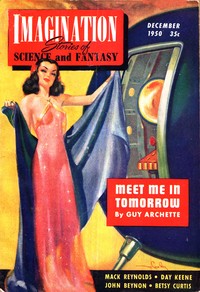
The Old Ones by Betsy Curtis
Let's talk about a classic sci-fi nugget that deserves a little more love. 'The Old Ones' by Betsy Curtis is a short story that first appeared in a 1960s magazine, and it packs a surprisingly big punch for its size.
The Story
The plot is straightforward but effective. A human archaeological team is excavating on a planet inhabited by a civilized alien species. They discover ruins that are far, far older than the current civilization's history. The local aliens are just as baffled—these structures predate their own oldest records. As the humans dig deeper, they find clues suggesting the 'Old Ones' were incredibly advanced and may have seeded life across the galaxy. The real kicker? There are hints that these ancient beings might not be extinct. They might be out there, silently observing the rise and fall of species like cosmic gardeners. The story builds a quiet, unsettling tension around whether discovering them would be a miracle or a catastrophe.
Why You Should Read It
This isn't a story about flashy tech or space wars. Its strength is in its mood and its big, haunting idea. Curtis creates a real sense of cosmic scale. It makes you feel the weight of deep time and the humility of being a very new arrival in an ancient universe. The characters are decently drawn for such a short piece—they're driven by curiosity but also a growing, healthy fear of what they might awaken. It's that classic sci-fi thrill of looking into the abyss and wondering if the abyss is looking back, with a patience we can't even comprehend.
Final Verdict
This is a perfect read for fans of 'big idea' science fiction from the mid-20th century, like the early work of Arthur C. Clarke. It's for anyone who enjoys stories about archaeology, ancient mysteries, and the quiet terror of the unknown. Because it's a short story, it's also a great, low-commitment gateway into older sci-fi. Don't expect modern pacing or character depth; instead, settle in for a quick, thought-provoking shot of cosmic wonder and existential chills. It's a hidden gem that shows just how much atmosphere and imagination could fit into a few magazine pages.
Charles Walker
1 year agoPerfect.